Saga & Sage
The Old Stories Still Know Us
 By Saga & Sage ·
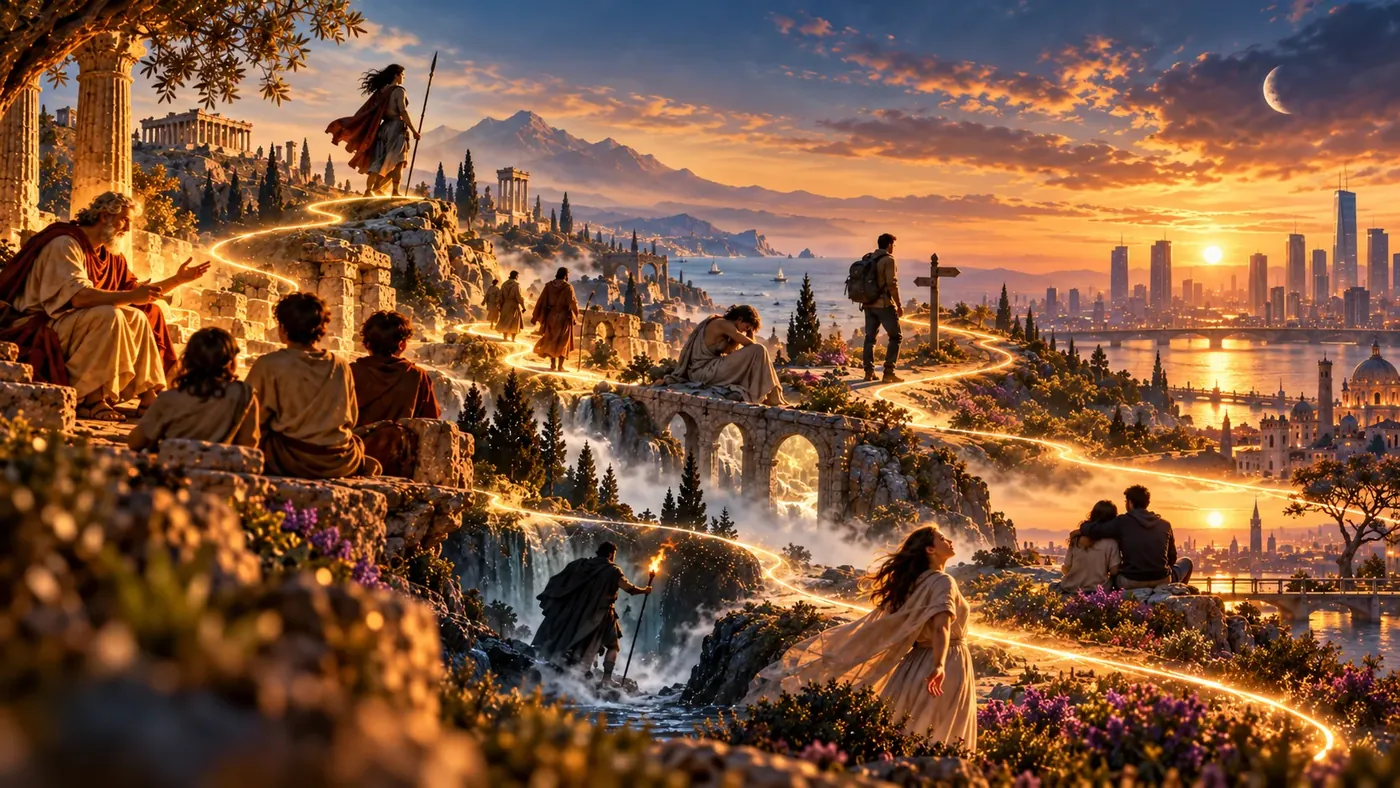
The details change. The names change. But fear, loss, ambition, uncertainty, love, courage, and the need to begin again are very old human problems. The stories we inherited may still have something to say about them.
There is a particular kind of loneliness that comes with believing your problem is entirely your own.
No one else has stood exactly where you are standing.
No one else has had to make this decision, carry this regret, lose this person, question this life, or wonder whether the thing you spent years building still belongs to you.
Modern life can make that feeling stronger.
Everything moves quickly. The language changes. The technology changes. The expectations change.
We are surrounded by new problems, new advice, new experts, new ways to optimize ourselves.
And yet the questions underneath all of it are surprisingly old.
What do I do when I cannot control the outcome?
How do I choose when every option costs me something?
What if I know what I need to do but I am afraid to do it?
How do I let go of something that once mattered deeply?
What happens when the life I know no longer fits?
Human beings have been asking versions of those questions for thousands of years.
And they left us stories.
If you’re skimming
- The circumstances of our lives change, but many of our deepest struggles do not.
- Stories endure because they often preserve something recognizable about fear, loss, choice, courage, desire, and change.
- An old story cannot tell you exactly what to do, but it can help you see your own situation differently.
Why some stories refuse to disappear
Most stories vanish.
They belong to a moment, entertain the people who hear them, and then fade.
But some remain.
They are copied, translated, retold, performed, argued over, painted, sung, revised, and carried from one generation to the next.
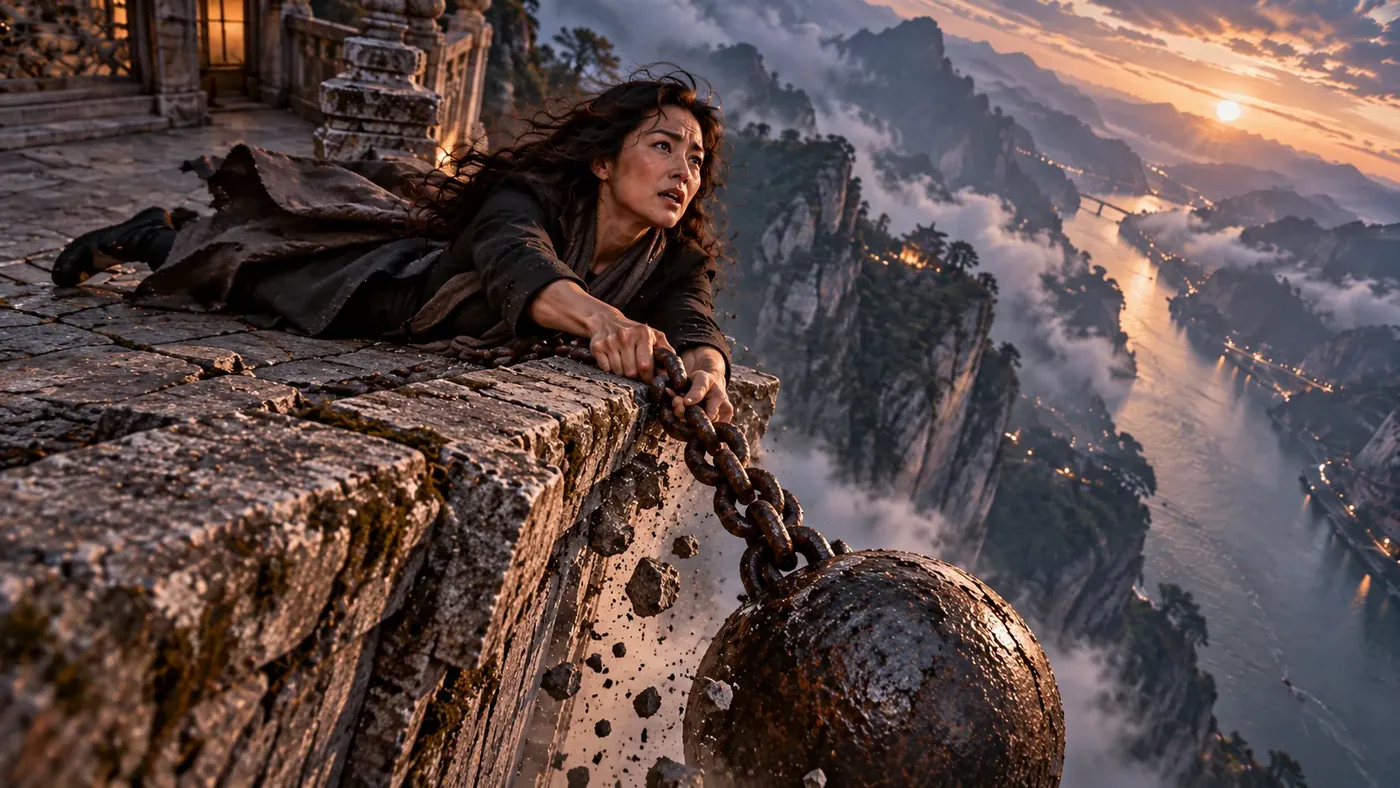
Orpheus turns back.
Antigone refuses to obey.
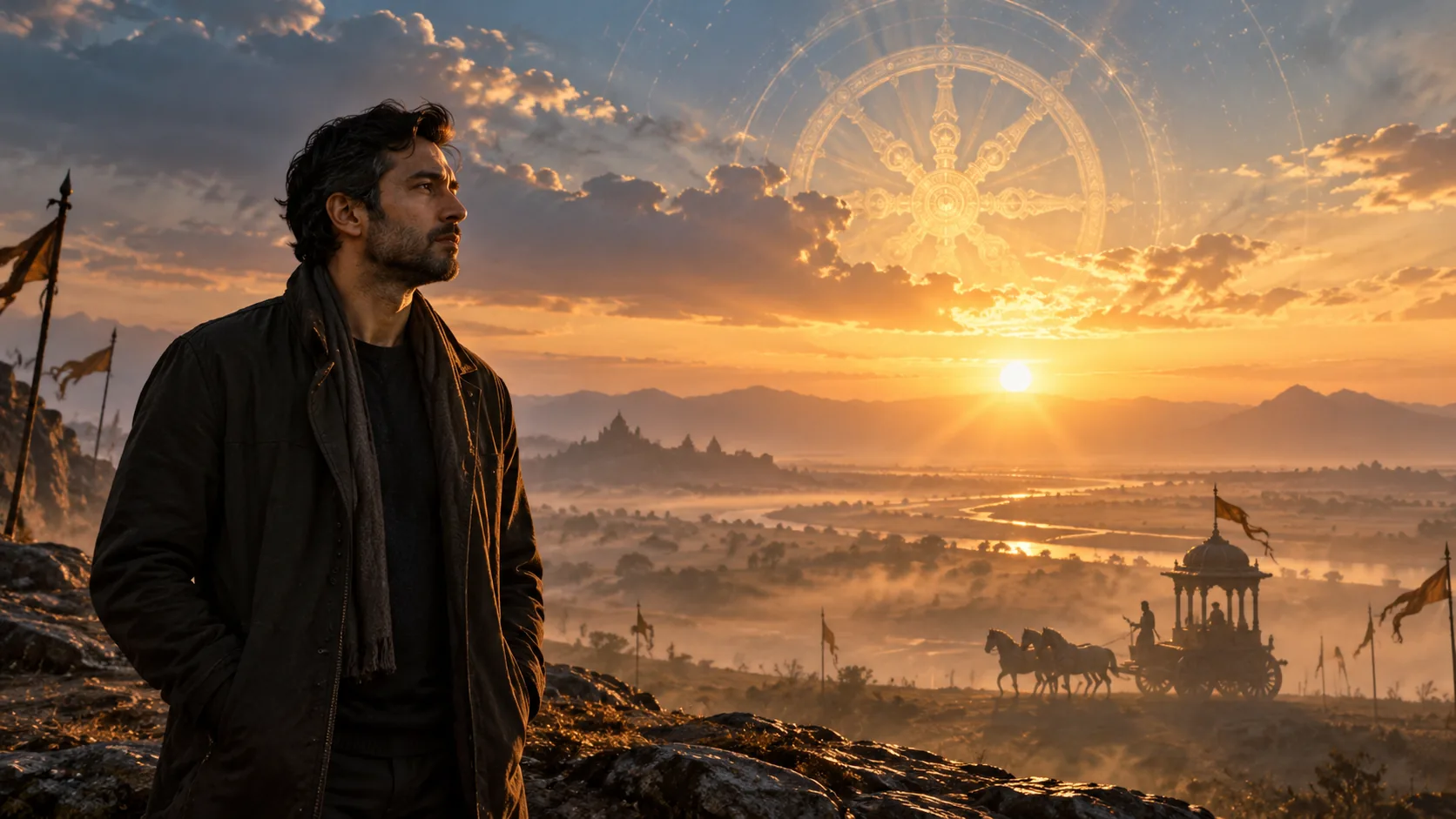
Arjuna freezes on the battlefield.
Hercules stands between two paths.
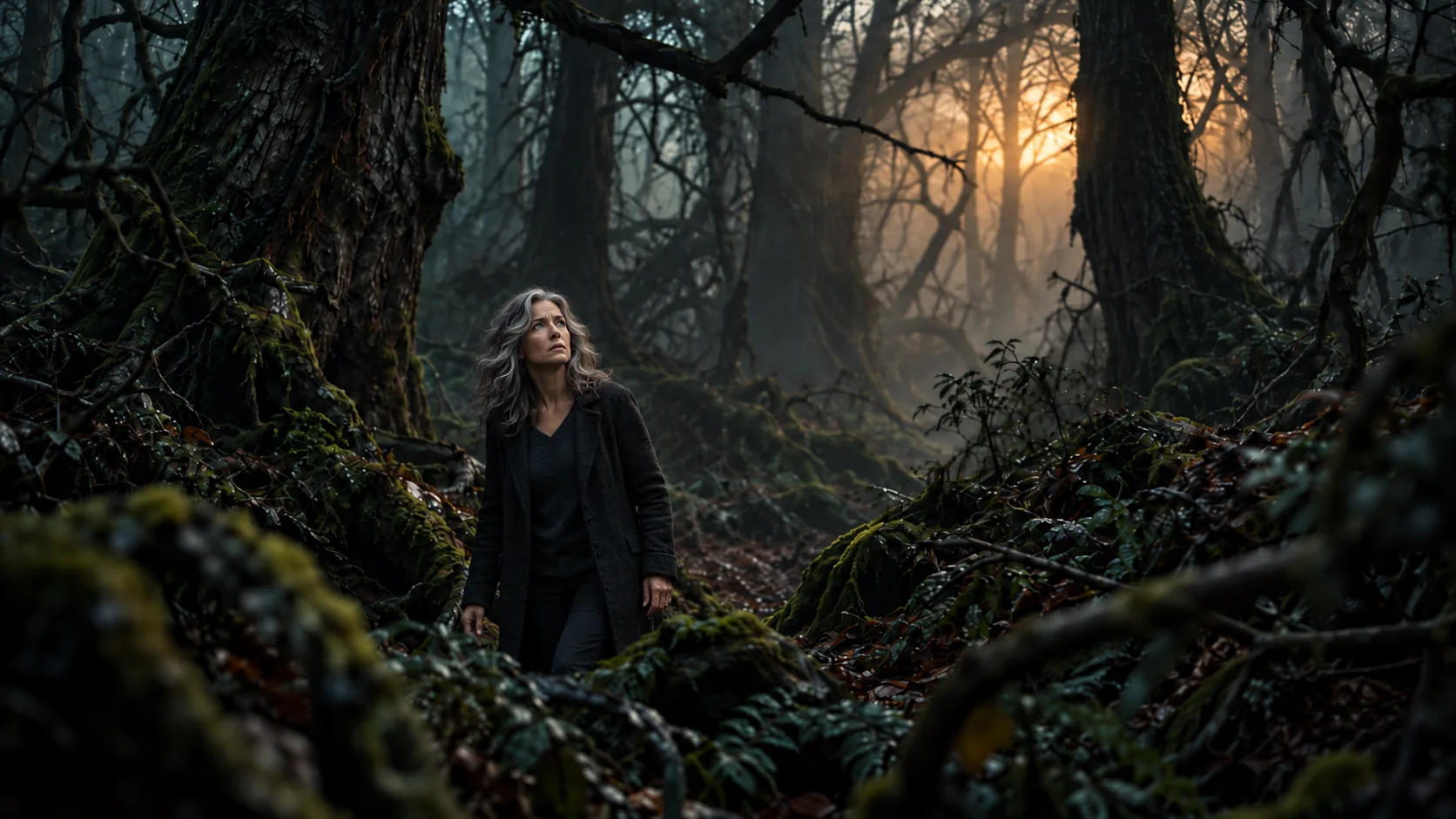
Dante wakes in a dark wood and realizes he has lost his way.
Different cultures. Different eras. Different beliefs.
But something in these stories keeps catching the human imagination.
Why?
Psychologist Carl Jung proposed that certain recurring images and patterns arise from what he called the collective unconscious—deep structures of human experience that appear again and again in dreams, symbols, and stories.
Joseph Campbell, who spent much of his life comparing myths from different traditions, was deeply influenced by Jung.
Campbell believed that beneath the enormous variety of the world’s stories, certain patterns of human experience often recur.
The details matter.
A Greek tragedy is not a Hindu sacred text.
A medieval Christian poem is not interchangeable with a Japanese folktale or a West African epic.
The cultures that created these works gave them particular meanings, histories, and sacred contexts.
Those differences should not be erased.
But neither should the similarities be ignored.
Again and again, human beings have told stories about leaving home, crossing thresholds, confronting monsters, losing what we love, being tempted, failing, transforming, returning, and becoming someone we were not before.
Perhaps that is because those experiences keep happening.
The story creates distance
There is another reason old stories can be useful.
They are not about you.
That may be exactly what makes them powerful.
When you are caught inside your own problem, everything is close.
The fear is yours.
The disappointment is yours.
The consequences are yours.
Advice can feel intrusive because it arrives directly at the wound.
A story comes in from the side.
You can watch Orpheus turn around without immediately having to admit what you are still looking back toward.
You can watch Hercules stand between two paths before asking which road you are avoiding.
You can watch Antigone face the consequences of acting on what she believes before considering the thing you already know you need to do.
For a moment, the problem belongs to someone else.
That distance creates room.
And sometimes room is what allows us to see.
A mirror, not an instruction manual
Ancient stories are not useful because the people inside them always make good choices.
Quite often, they do not.
They fail spectacularly.
They become proud. They hesitate. They betray. They cling. They misjudge. They try to control what cannot be controlled.
That is part of why they remain interesting.
A story does not have to hand us a moral in order to reveal something.
Orpheus does not tell us, “Never look back.”
Antigone does not tell us, “Always defy authority.”
Arjuna does not provide a simple formula for every difficult decision.
The value is subtler than that.
A good story can expose a pattern.
It can make a hidden tension visible.
It can show us what happens when love becomes possession, when fear becomes obedience, when certainty becomes impossible, when ambition consumes its purpose, or when grief refuses to release the future.
The story becomes a mirror.
Not a perfect mirror.
But sometimes a clearer one than the one we have been holding up to ourselves.
Your problem may be older than you think
This is where the old stories become unexpectedly comforting.
Not because they promise that everything will work out.
Most of them make no such promise.
They offer something else.
Recognition.
The thing you are struggling with may feel intensely personal.
But perhaps the shape of it is not entirely new.
Someone has wanted something too badly before.
Someone has stayed too long.
Someone has been frightened of the next step.
Someone has tried to predict an unknowable future.
Someone has lost the life they thought they were going to have.
Someone has stood in the dark and wondered which way to go.
You are still the one who has to make the decision.
But you may not be standing there alone.
What we do with the story matters
There is a danger in loving old stories too much.
We can turn them into museum pieces.
Beautiful. Important. Untouchable.
Or we can become so fascinated by gods, monsters, heroes, and symbols that we forget why the stories survived in the first place.
They survived because people kept recognizing themselves in them.
The point is not simply to retell an ancient story.
The point is to bring it back.
What does this have to do with the life you are living now?
Where does this pattern appear in your relationships, your work, your choices, your grief, your ambitions, your fear?
What does the story help you notice?
And once you notice it, what might you do differently?
That is where insight becomes useful.
Not when an old story gives you an answer.
When it helps you ask a better question.
The stories are old. The questions are not.
We still stand at crossroads.
We still look back.
We still try to control outcomes that do not belong to us.
We still know what we should do and hesitate because we are afraid.
We still wake up sometimes and realize we have wandered into a life that no longer feels like ours.
The names change.
The settings change.
The stories remain.
Maybe that is because they have been carrying something for us.
A record of what human beings have feared, desired, lost, chosen, endured, and learned.
Not all of humanity’s wisdom.
But enough of it to remind us of something important:
Your problem may be yours.
The human problem beneath it probably is not.
And somewhere, someone may have already told a story about what it feels like to stand where you are standing now.
That is a good place to begin.
Not sure which crossroads you’re standing at?
The Crossroads Compass can help you identify the kind of challenge you may be facing now—Control, Choice, Courage, Release, or Renewal—and point you toward the Saga & Sage path that fits best.